Ijon Tichy meets artificial Intelligence

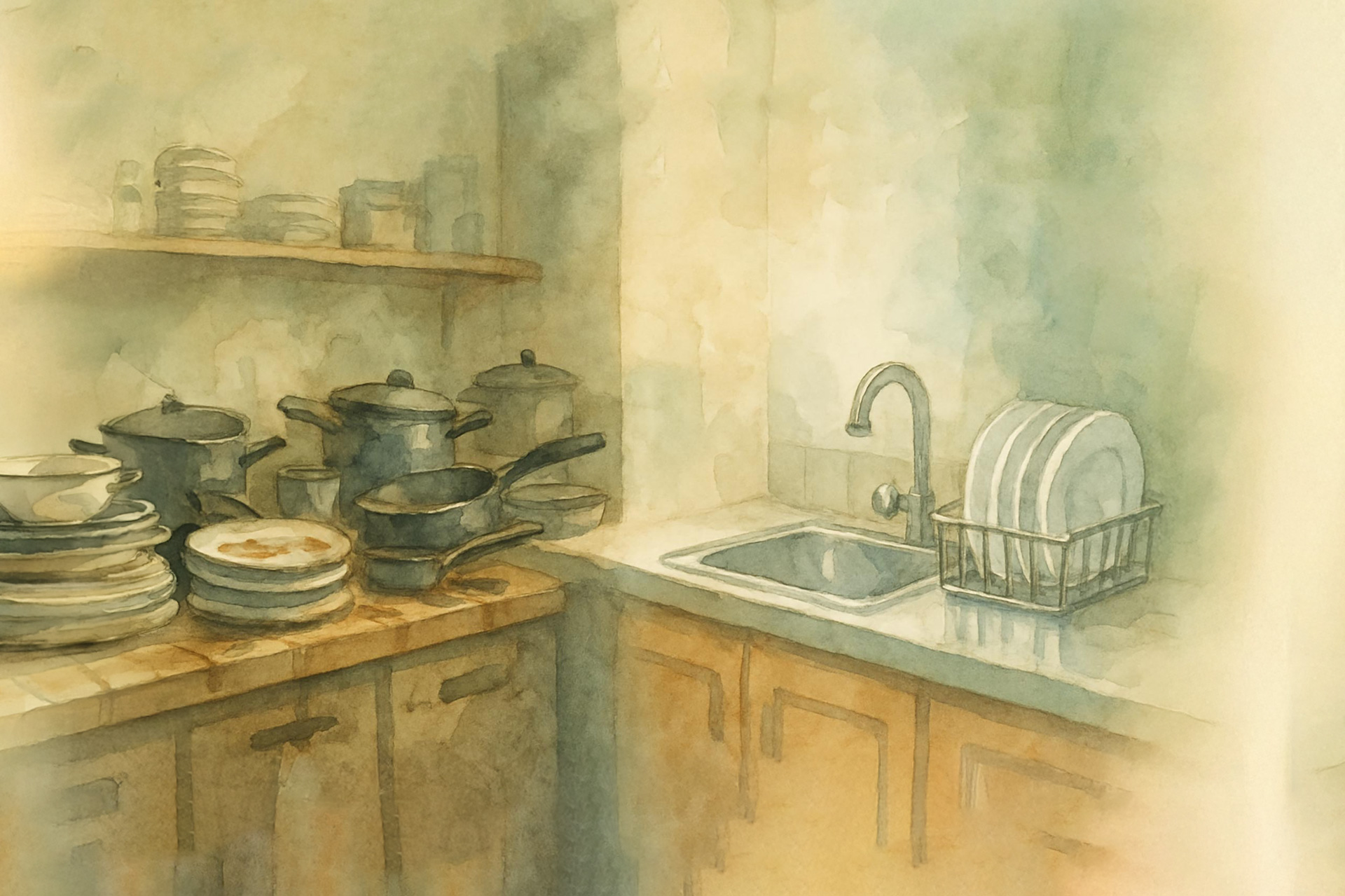
Stanislaw Lem on entropy (littering) Littering in space had been a concern long before Elon Musk's Starlink programme, and various methods for cleaning up the growing clutter in Earth's orbit are currently under discussion. The task is not easy because - due to the second law, the inevitable increase in entropy - all littering tends to increase exponentially. If one of the thousands of pieces of scrap metal in space is hit by another piece of scrap metal, the one piece that was hit creates many new pieces that fly around at insane speeds. Space pollution is therefore a self-perpetuating
Entropy between Micro and Macro Level

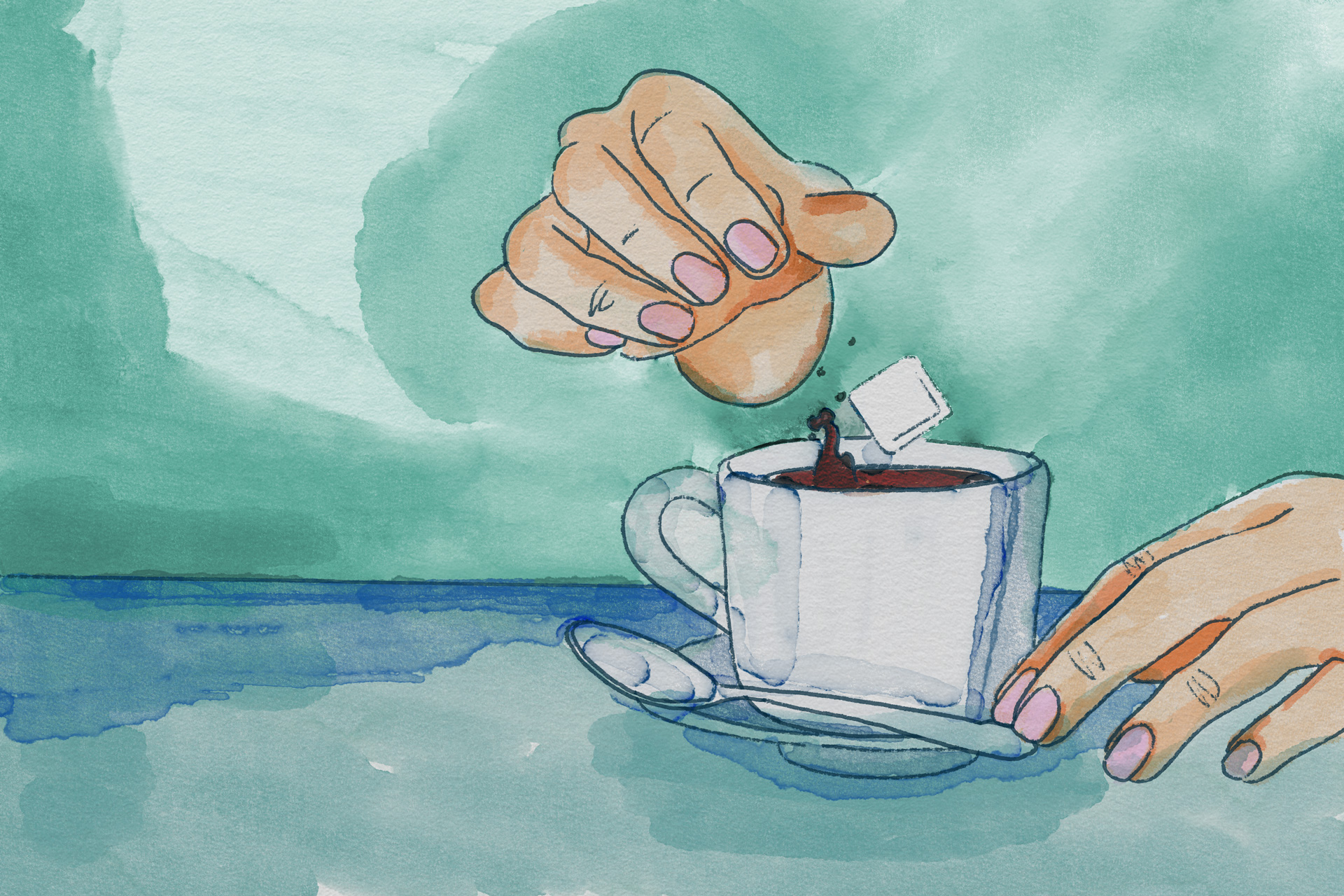
What energy is, appears evident to most of us. This is different with its counterpart entropy. Entropy, however, explains much of our everyday life, as well as basic processes in physics and biology. It is worth to be understood. Here, I explain the most basic facts about entropy. Two Levels Define Entropy: Micro Level and Macro Level The scientific physical definition of entropy characterises it as a difference between two levels: a detail level and an overview level. Example Coffee Cup The thermal entropy according to Boltzmann is classic, using the example of an ideal gas. The temperature (1 value)

Entropy and Information

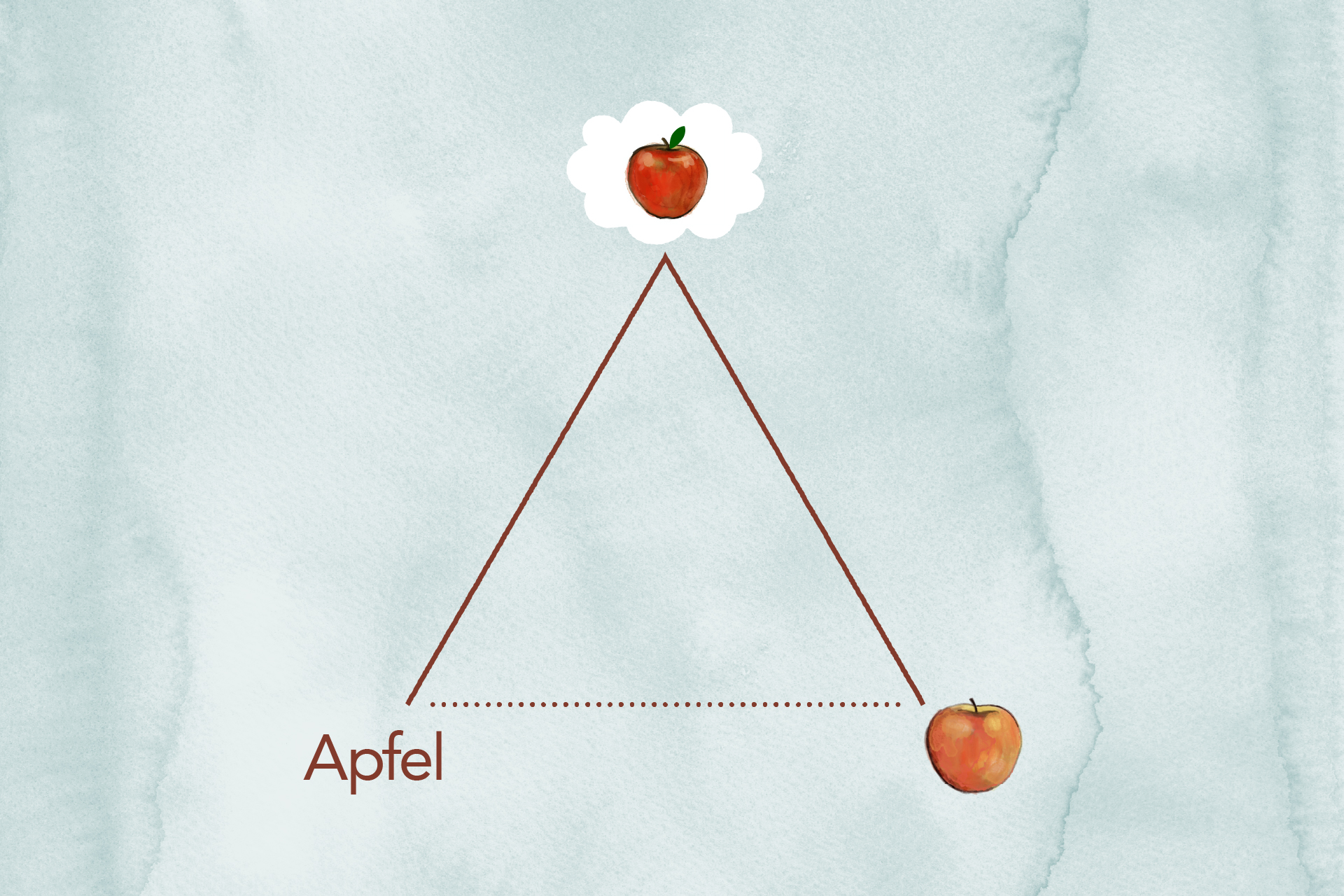
The term entropy is often avoided because it contains a certain complexity that cannot be argued away. But when we talk about information, we also have to talk about entropy. Because entropy is the measure of the amount of information. We cannot understand what information is without understanding what entropy is. 1948: Claude E. Shannon invents the expression "bit" and links the concepts of information and entropy. Information is always relative We believe that we can pack information, just as we store bits in a storage medium. Bits are then the information that is objectively available, like little beads in

By |2026-01-06T09:27:40+00:0011. September 2024|Categories: Information, Entropy|Tags: , , , , , |0 Comments

Georg Spencer-Browns Distinction and the Bit

continues paradoxes and logic (part 2) History Before we Georg Spencer-Brown's (GSB's) distinction as basic element for logic, physics, biology and philosophy, it is helpful to compare it with another, much better-known basic form, namely the bit. This allows us to better understand the nature of GSB's distinction and the revolutionary nature of his innovation. Bits and GSB forms can both be regarded as basic building blocks for information processing. Software structures are technically based on bits, but the forms of GSB (‘draw a distinction’) are just as simple, fundamental and astonishingly similar. Nevertheless, there are characteristic differences.  Fig. 1:

By |2025-11-15T12:33:39+00:0023. August 2024|Categories: Information, Logic, Bits|Tags: , , , |0 Comments

Logic kernels in true paradoxes

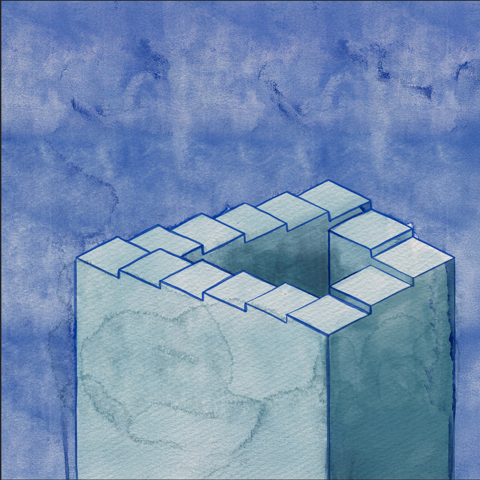
In logic there is a single basic pattern, found in every true paradox. The kernel of each true paradox consists of a selfreferential move, which arises from a logical statement and re-enters it from outside. This logical selfreference is found behind the severe mathematical problems adressed by K. F. Gödel. A try to solve the problem on the basis of a new formalism was done by George Spencer-Brown. His formalism helps to describe contradictions in formal logic. "Draw a Distinction" Spencer-Brown introduces the elementary building block of his formal logic with the words ‘Draw a Distinction’. Figure 1 shows

By |2026-01-06T10:23:09+00:0022. August 2024|Categories: Information, Logic, Paradoxes|Tags: , , , |0 Comments

Logic and Paradoxes

It is a widely accepted believe that logic systems should be free of contradictions. In reality, however, we are always faced with contradictions and even seemingly unsolvable contradictions which we call paradoxes. How can we handle them? Logic in Praxis and Theory Computer programs consist of algorithms. Algorithms are instructions on how and in what order an input is to be processed. Algorithms are nothing more than applied logic and a programmer is a practising logician. But logic is a broad field. In a very narrow sense, logic is a part of mathematics; in a broad sense, logic is everything

Five Preconceptions about Entropy

Which of these preconceptions do you share? Entropy is for nerds Entropy is incomprehensible Entropy is thermodynamics Entropy is noise Entropy is absolute Adjustment of these widespread preconceptions about entropy 1. Entropy is the basis of our daily lives Nerds like to be interested in complex topics and entropy fits in well, doesn't it? It helps them to portray themselves as superior intellectuals. This is not your game and you might not see any practical reasons to occupy yourself with entropy. This attitude is very common and quite wrong. Entropy is not a nerdy topic, but has a fundamental impact

By |2026-01-06T10:12:54+00:0016. August 2024|Categories: Information, Entropy|Tags: , , |0 Comments

The major scale introduces tension to the resonances

The major scale The major scale (Ionian mode) is the most widespread musical scale both in Europe and globally. It is a heptatonic scale, i.e. a musical scale with seven tones. It is characterised by very special resonance ratios, which serve well to explain its worldwide appreciation. Below, I have listed the tones of the major scale of C, ascending from the bottom to the top, together with the intervals between each tone and the fundamental tone. Of course, it is these intervals that constitute the musical scale. We could also start the musical scale with any other tone and

Standard pentatonic scales

As we have seen in the previous post, the tones C – D – E – G – A – C constitute the standard major pentatonic scale. All in all, another four pentatonic scales can be created with the simple criteria for resonant pentatonic scales. These five pentatonic scales are the five musical scales which according to our mathematical criteria allow for resonances among all their tones. We will see later on that we are able to create all the musical scales traditionally used in Europe with our pool of the nine most resonant tones. In the heptatonic scales, however, for instance

Expressions around waves and sine waves

Sine waves play a crucial part for our considerations of resonance. On this page, I would like to explain the terms that I use in this respect. Wave A wave is a motion in time which oscillates around a baseline. A wave can have different shapes. For our considerations of resonance, we use pure sine waves; such a wave is shown in the graph above. Amplitude The amplitude is the deviation of a wave from the baseline. It does not play any primary role in our considerations. Period A period lasts as long as the wave takes to arrive in the same

Go to Top