Self-reference 2 (Paradoxes)
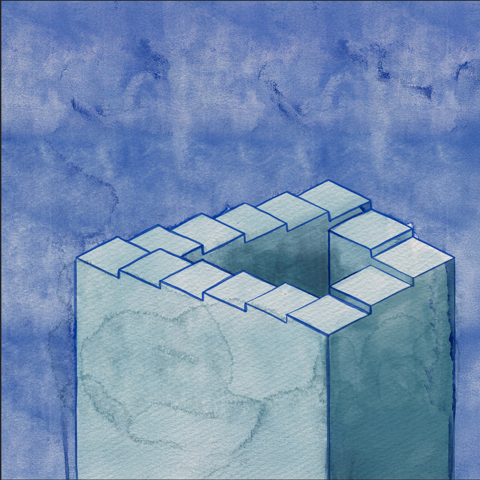
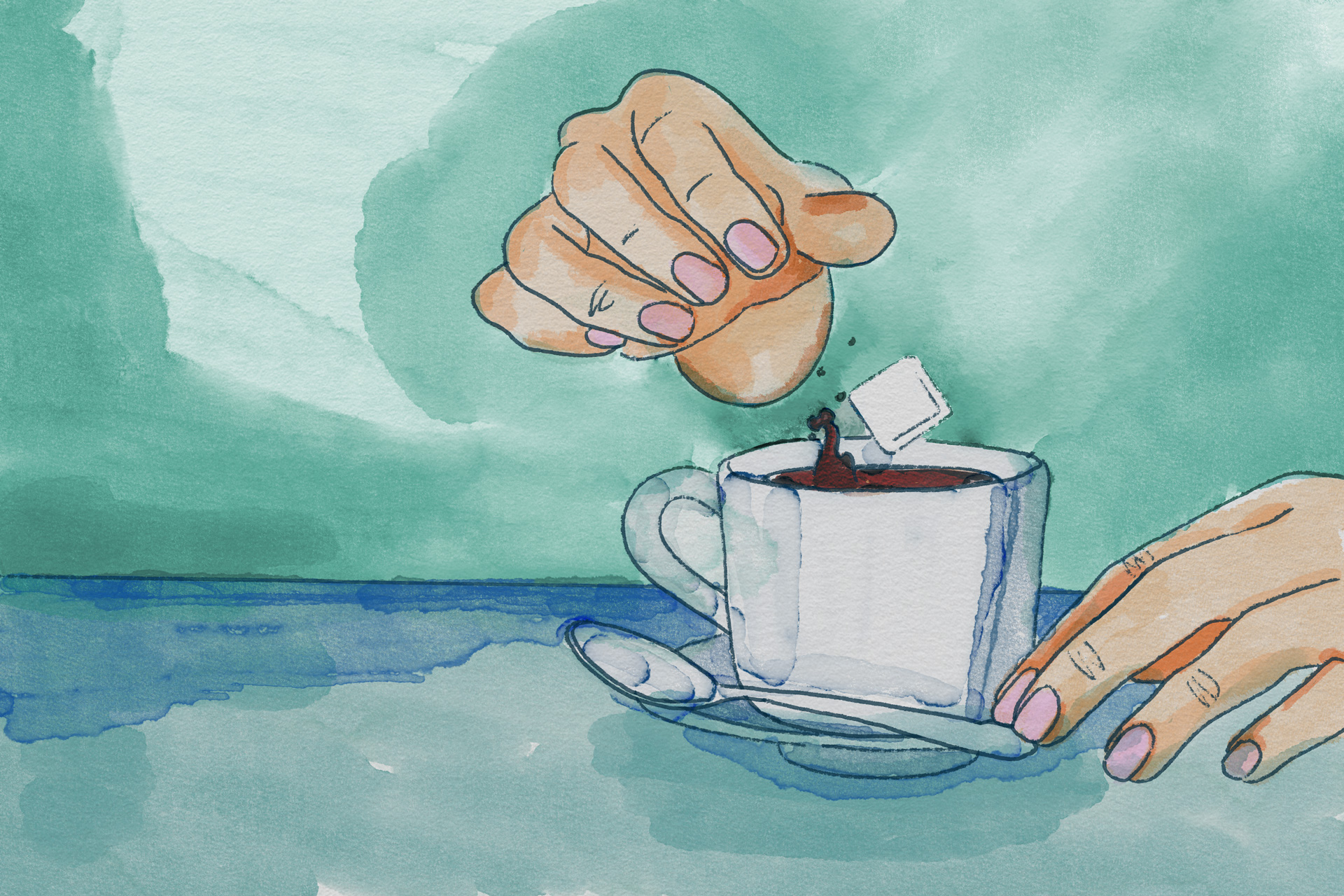
Simple instruction for generating paradoxes The trick with which classical logical systems can be invalidated consists of two instructions: 1: A statement refers to itself. 2: The reference or the statement contains a negation. This constellation always results in a paradox. A famous example of a paradox is the barber who shaves all the men in the village, except of course those who shave themselves (they don't need the barber). The formal paradox arises from the question of whether the barber shaves himself. If he does, he's one of those men who shave themselves and, as the statement about