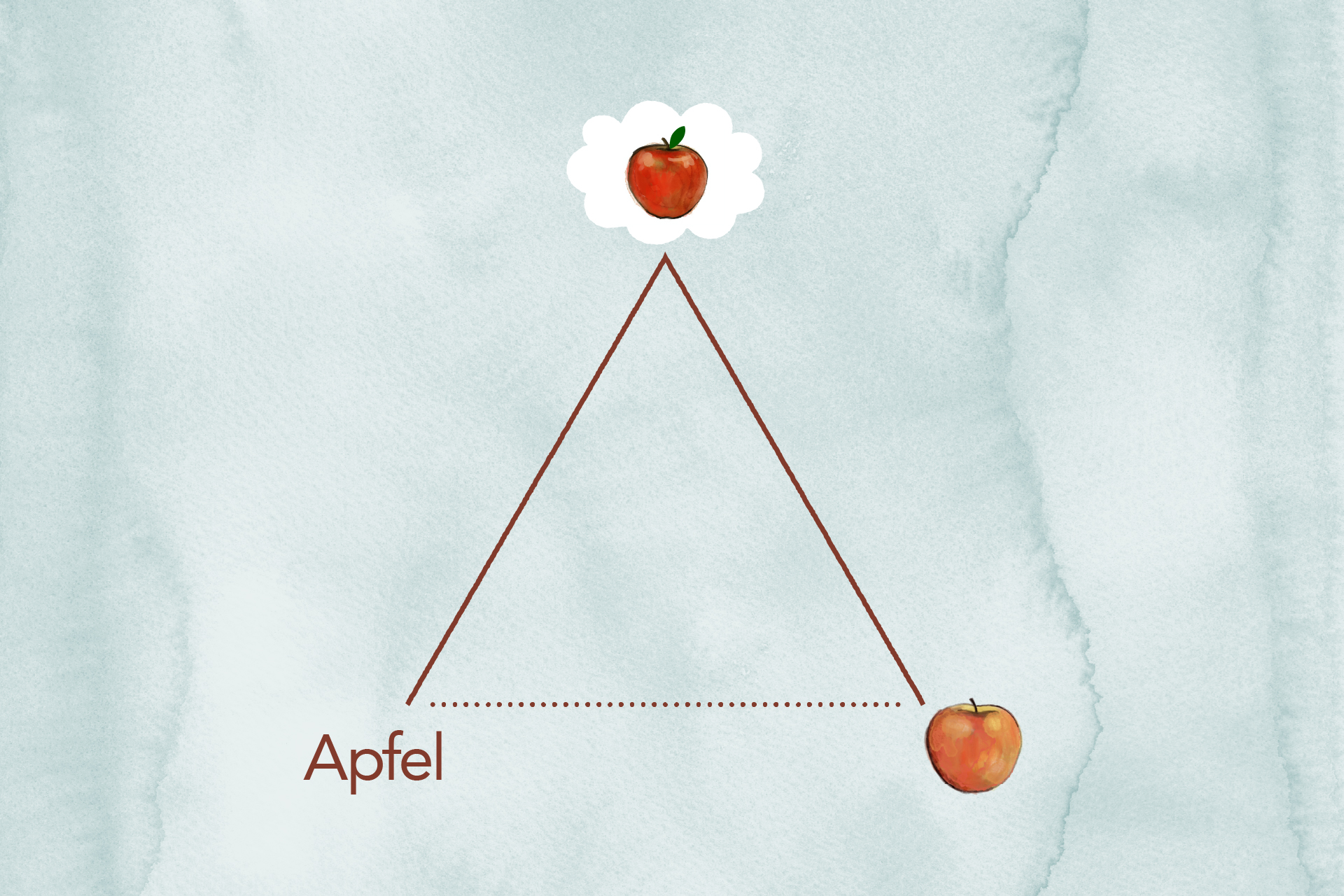
Now where in artificial intelligence is the intelligence located?

In a nutshell: the intelligence is always located outside. a) Rule-based systems The rules and algorithms of these systems are created by human beings, and no one will ascribe real intelligence to a pocket calculator. The same also applies to all other rule-based systems, however refined they may be. The rules are devised by human beings. b) Conventional corpus-based systems (neural networks) These systems always use an assessed corpus, i.e. a collection of data which have already been evaluated  (details). This assessment decides according to what criteria each individual corpus entry is classified, and this classification then constitutes the real


Overview of the AI systems

All the systems we have examined so far, including deep learning, can in essence be traced back to two methods: the rule-based method and the corpus-based method. This also applies to the systems we have not discussed to date, namely simple automata and hybrid systems, which combine the two above approaches. If we integrate these variants, we will arrive at the following overview: A: Rule-based systems Rule-based systems are based on calculation rules. These rules are invariably IF-THEN commands, i.e. instructions which assign a certain result to a certain input. These systems are always deterministic, i.e. a certain input always

How real is the probable?

AI can only see whatever is in the corpus Corpus-based systems are on the road to success. They are “disruptive”, i.e. they change our society substantially within a very short period of time – reason enough for us to recall how these systems really work. In previous blog posts I explained that these systems consist of two parts, namely a data corpus and a neural network. Of course, the network is unable to recognise anything that is not already in the corpus. The blindness of the corpus automatically continues in the neural network, and the AI is ultimately only able

Go to Top