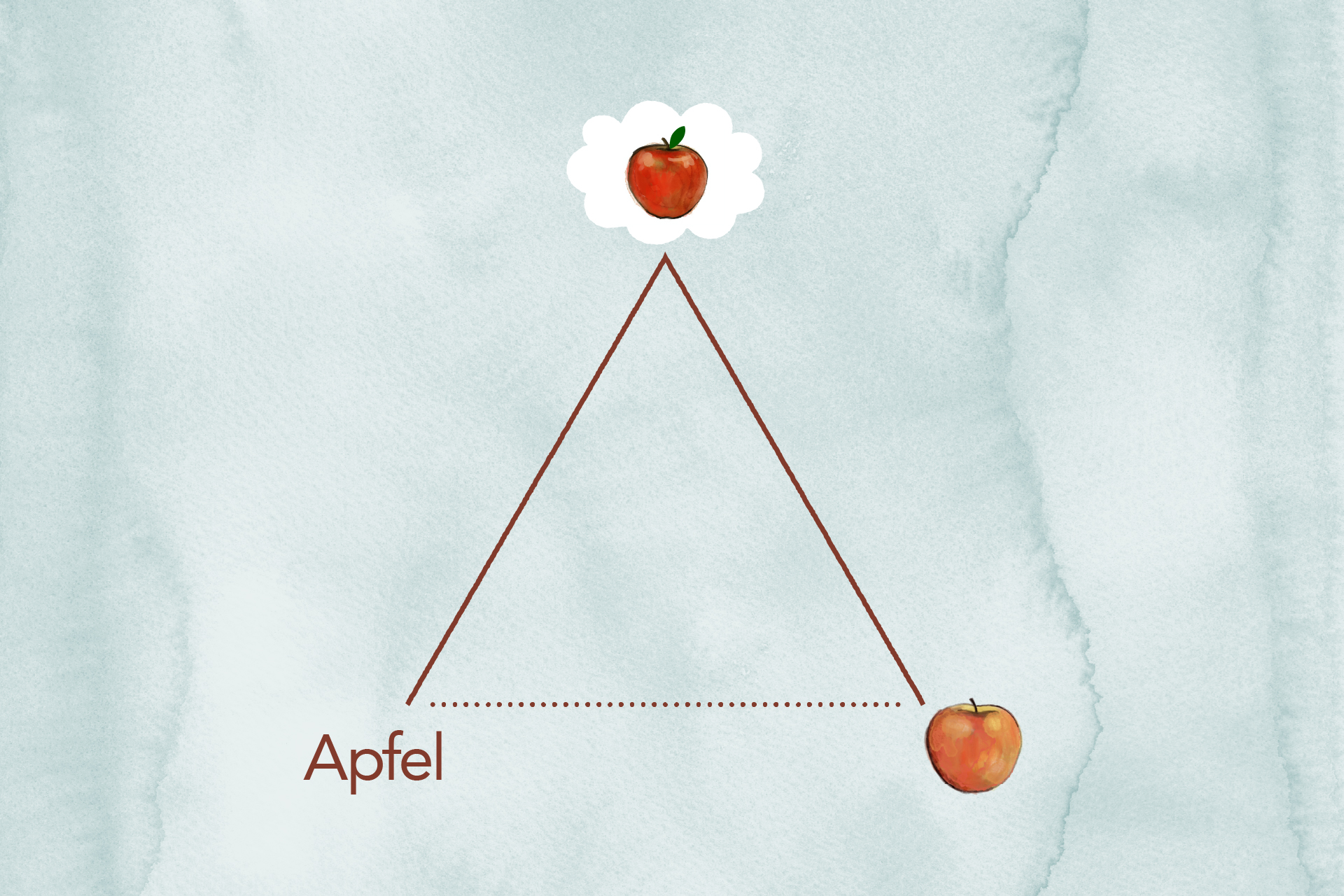
Artificial and natural intelligence: the difference

What is real intelligence?  Paradoxically, the success of artificial intelligence helps us to identify essential conditions of real intelligence. If we accept that artificial intelligence has its limits and, in comparison with real intelligence, reveals clearly discernible flaws – which is precisely what we recognised and described in previous blog posts – then these descriptions do not only show what artificial intelligence lacks, but also where real intelligence is ahead of artificial intelligence. Thus we learn something crucial about natural intelligence. What have we recognised? What are the essential differences? In my view, there are two properties which distinguish real


Now where in artificial intelligence is the intelligence located?

In a nutshell: the intelligence is always located outside. a) Rule-based systems The rules and algorithms of these systems are created by human beings, and no one will ascribe real intelligence to a pocket calculator. The same also applies to all other rule-based systems, however refined they may be. The rules are devised by human beings. b) Conventional corpus-based systems (neural networks) These systems always use an assessed corpus, i.e. a collection of data which have already been evaluated  (details). This assessment decides according to what criteria each individual corpus entry is classified, and this classification then constitutes the real

Games and Intelligence (2): Deep Learning

Go and chess The Asian game of Go shares many similarities with chess while being simpler and more sophisticated at the same time. The same as in chess: – Board game → clearly defined playing field – Two players (more would immediately increase complexity) – Unequivocally defined possibilities of playing the stones (clear rules) – The players place stones alternately (clear timeline). – No hidden information (as, for instance, in cards) – Clear objective (the player who has surrounded the larger territory wins) Simpler in Go: – Only one type of piece: the stone (unlike in chess: king, queen, etc.)

Games and intelligence (1)

Chess or jass: what requires more intelligence? (Jass is a very popular Swiss card game of the same family as whist and bridge, though more homespun than the latter.) Generally, it is assumed that chess requires more intelligence, for obviously less intelligent players definitely stand a chance of winning at cards while they don’t in chess. If we consider, however, what a computer program must be able to do in order to win, the picture soon looks different: chess is clearly simpler for a machine. This may surprise you, but it is worth looking at the features the two games

By |2025-11-12T11:00:30+00:0027. April 2020|Categories: Artificial Intelligence|Tags: , , , |0 Comments
Go to Top