Why resonance also works with imprecision

When does resonance occur? Resonance between two physical media depends on the frequency ratio of their natural vibrations. When the two frequencies constitute a simple fraction such as 2/1 or 3/2, resonance can occur. In an earlier post, I explained how the ten simplest frequency ratios lead with mathematical necessity to the ten tones which appear in our musical scales, no matter whether they are major scales, the various minor scales, the ecclesiastical modes, the major pentatonic scales, the minor pentatonic scales, the blues scale, etc. Ten tones are sufficient to build all these different scales. Pure intonation and temperament

By |2025-11-15T13:05:58+00:0022. February 2022|Categories: music, Resonance|Tags: , , , |0 Comments

The equal temperament

Initial wish: changing the fundamental tone during a piece of music In the preceding post, we saw that the just intonation is not pure any more when the fundamental tone is changed since certain intervals change. The further removed the key, the more tones fail to accord with the calculated, i.e. resonant tones. If the frequencies of the scale tones are very slightly shifted – i.e. tempered – then we can also change over into neighbouring keys, i.e. we can modulate. In the equal temperament, we can actually change over to any fundamental tone whatever, and this temperament has successfully

By |2025-11-15T13:06:47+00:0014. February 2022|Categories: music, Theory of the Three Worlds|Tags: , , |0 Comments

Fractions and Resonances

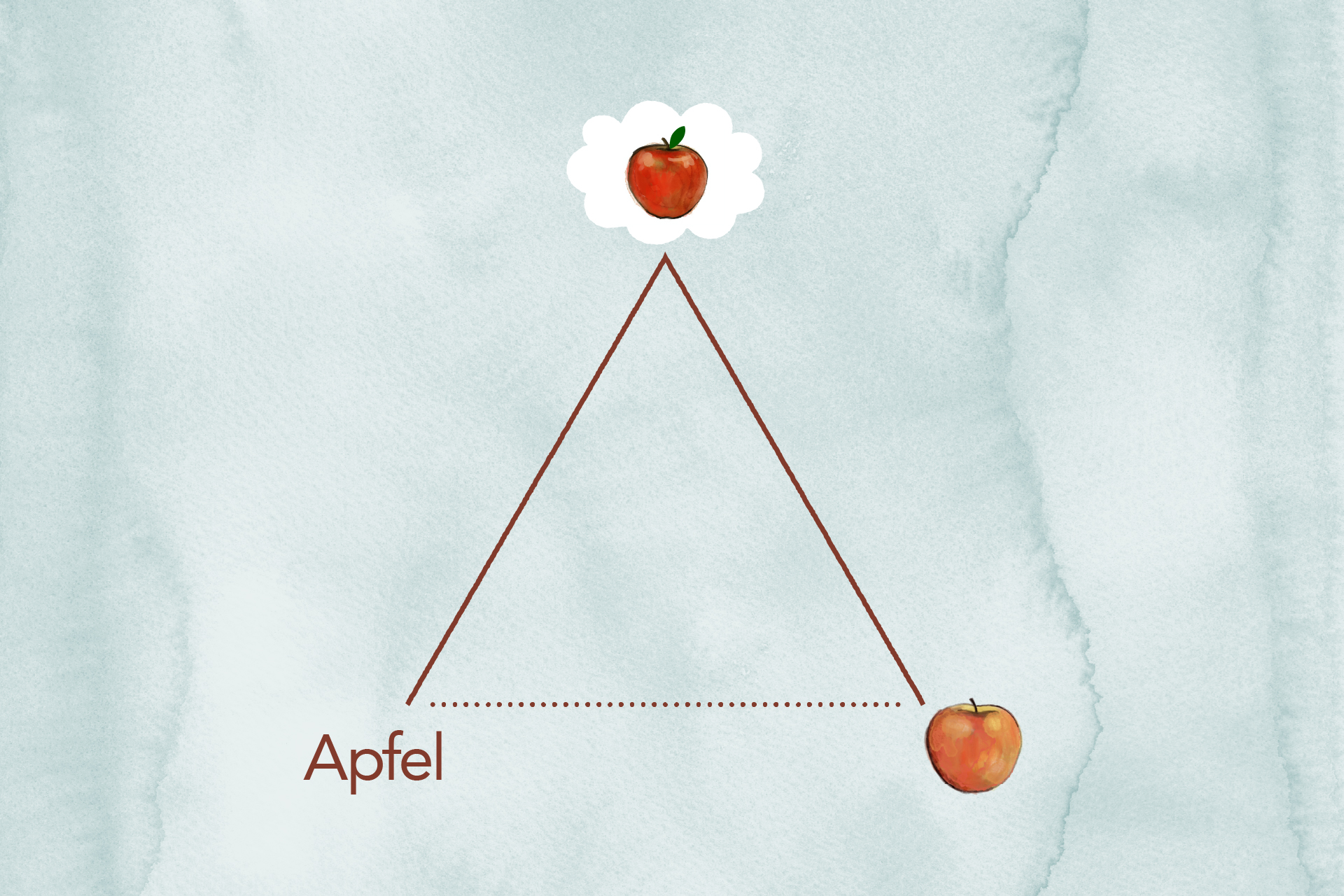
Resonance works through shared overtones Resonance occurs when two vibratory physical objects vibrate together. What matters is the two objects’ natural frequency: 1st degree resonance: both objects vibrate in the same frequency (f2 = f1). 2nd degree resonance: one object vibrates in an overtonefrequency of the other (f2 = n * f1). 3rd degree resonance: both objects vibrate in a shared overtone frequency (f2 = n/m * f1). The 3rd degree resonance reveals itself by the fact that the ratio of the two frequencies corresponds to a fraction of integers (n/m). This 3rd degree resonance is what interests us, for it has an effect

By |2025-11-12T10:43:18+00:009. April 2021|Categories: Theory of the Three Worlds|Tags: , , |0 Comments
Go to Top