Paradoxes and Logic (Part 1)

Logic in Practice and Theory Computer programs consist of algorithms. Algorithms are instructions on how and in what order an input is to be processed. Algorithms are nothing more than applied logic and a programmer is a practising logician. But logic is a broad field. In a very narrow sense, logic is a part of mathematics; in a broad sense, logic is everything that has to do with thinking. These two poles show a clear contrast: The logic of mathematics is closed and well-defined, whereas the logic of thought tends to elude precise observation: How do I come to a
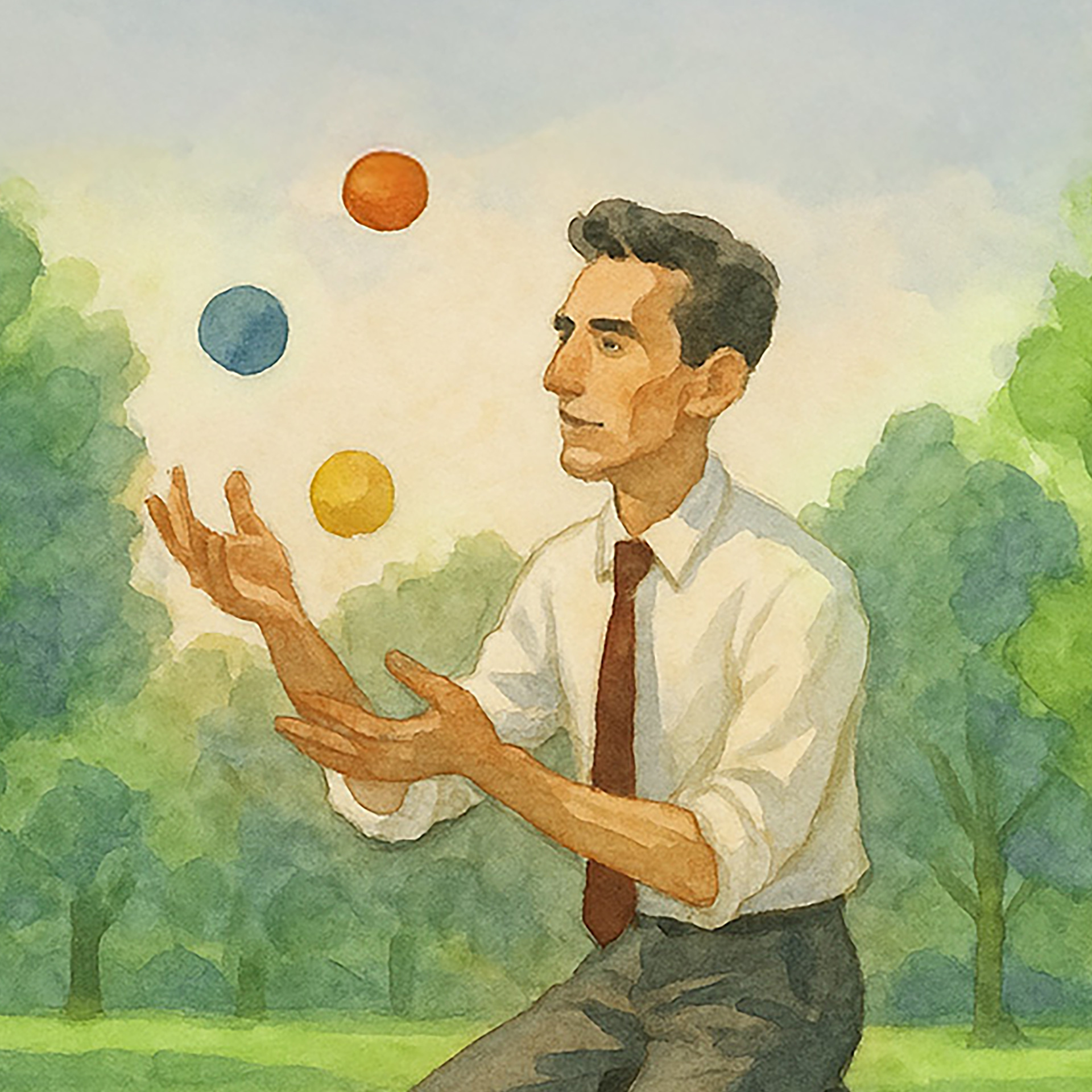

The Platonic world

Why “Platonic”? Penrose calls one of the three worlds in the theory of three worlds as Platonic. Why? Plato The rich Athenian citizen Plato was a follower of the philosopher Socrates. He set up a school of philosophy in the 4th century B.C., which was fundamental for European philosophy and has crucially shaped philosophical discussions until the present day. If Roger Penrose thus calls one of the three worlds “Platonic”, he refers to Plato and specifically to one particular question and the discourse about it, which is still of great significance today. This question is, “Are ideas real?” Plato’s realism of ideas Subsequent

Go to Top